Rapid Prototyping, Product Development & Design ServicesRapid Prototyping, Product Development & Design Services
Rapid Prototyping Specialists, Stereolithography, SLS, SLA, FDM & Vacuum CastingRapid Prototyping Specialists, Stereolithography, SLS, SLA, FDM & Vacuum CastingRapid Prototyping Specialists, Stereolithography, SLS, SLA, FDM & Vacuum CastingRapid Prototyping Specialists, Stereolithography, SLS, SLA, FDM & Vacuum CastingRapid Prototyping Specialists, Stereolithography, SLS, SLA, FDM & Vacuum CastingRapid Prototyping Specialists, Stereolithography, SLS, SLA, FDM & Vacuum CastingRapid Prototyping Specialists, Stereolithography, SLS, SLA, FDM & Vacuum CastingRapid Prototyping Specialists, Stereolithography, SLS, SLA, FDM & Vacuum CastingRapid Prototyping Specialists, Stereolithography, SLS, SLA, FDM & Vacuum Casting

RAPID PROTOTYPING

SLA & SLS

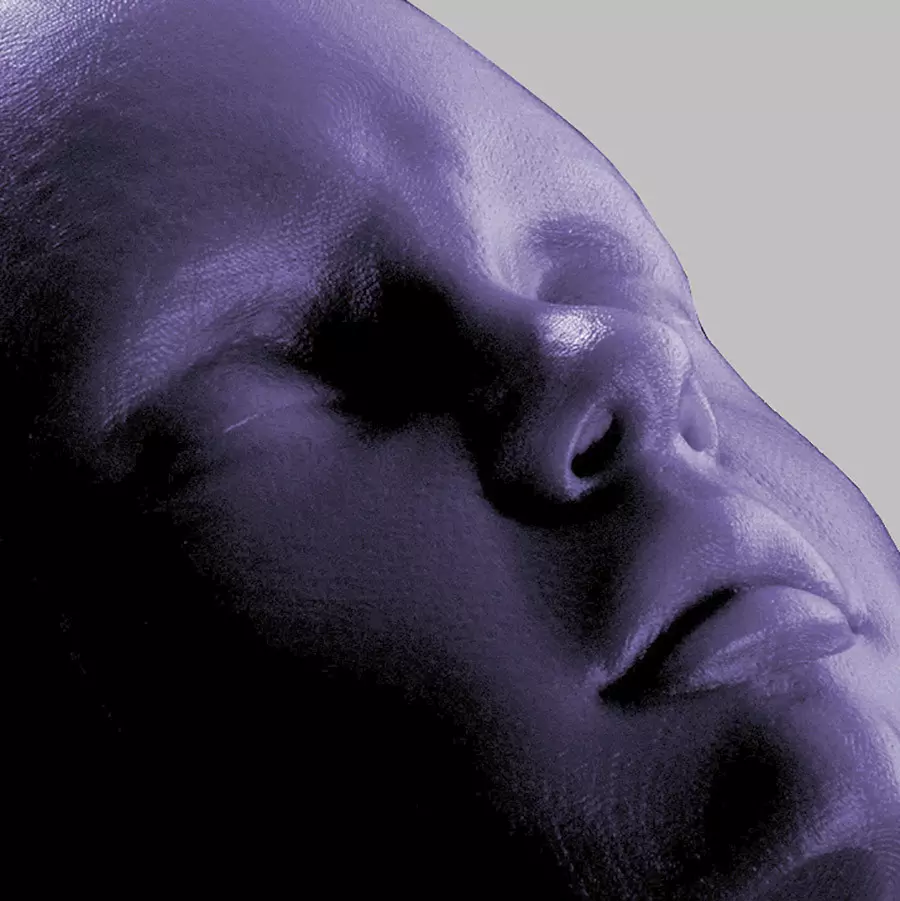
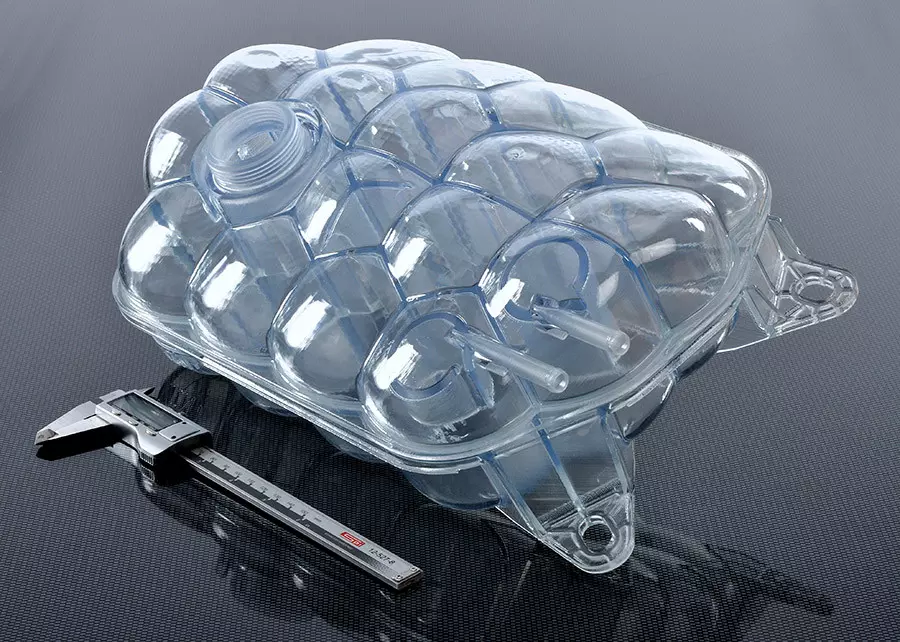
Stereolithography Apparatus (SLA) offers probably the most accurate form of rapid prototyping currently available with a general tolerance of +/- 0.15mm over 100mm. As a result, these models lend themselves to the geometric validation of components, and can be a vital communication aid for marketing personnel and tool makers alike. They can also form the basis of downstream tooling activities or test procedures. 

There are a range of light sensitive epoxy resins on offer from Rapitypes ranging from rigid  thermoplastics emulators like ABS, PP, and GFN, to flexible formulations which simulate TPE’s and rubbers. With a specific target material we can provide the closest match, which might also include high temperature ceramic filled resins that can withstand temperatures up to 200°C.

Typically these models are built in 0.05 - 0.1mm layers but features below 0.5mm will not build at all. SLA models are despatched in 3-4 days from receipt of good quality STL, IGES, or STEP CAD files.

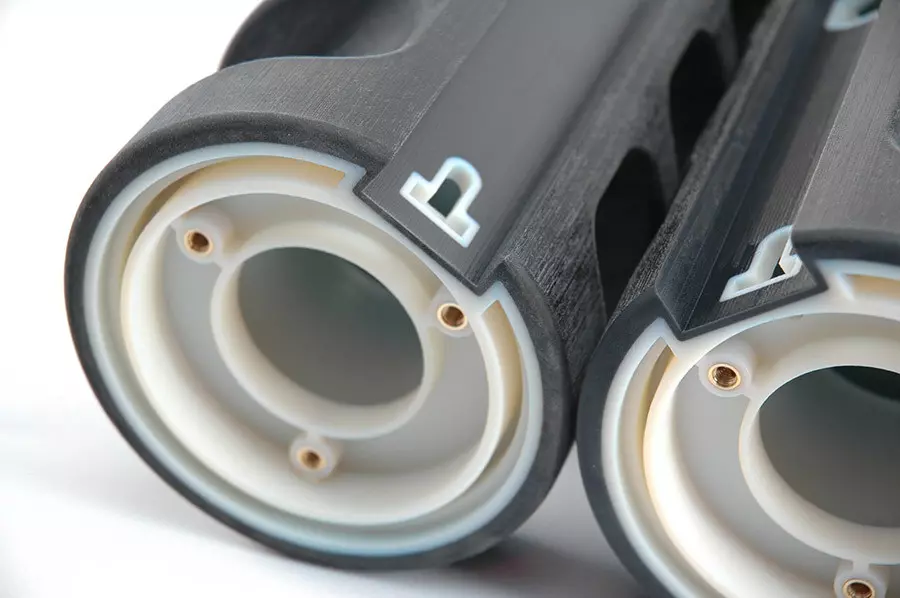
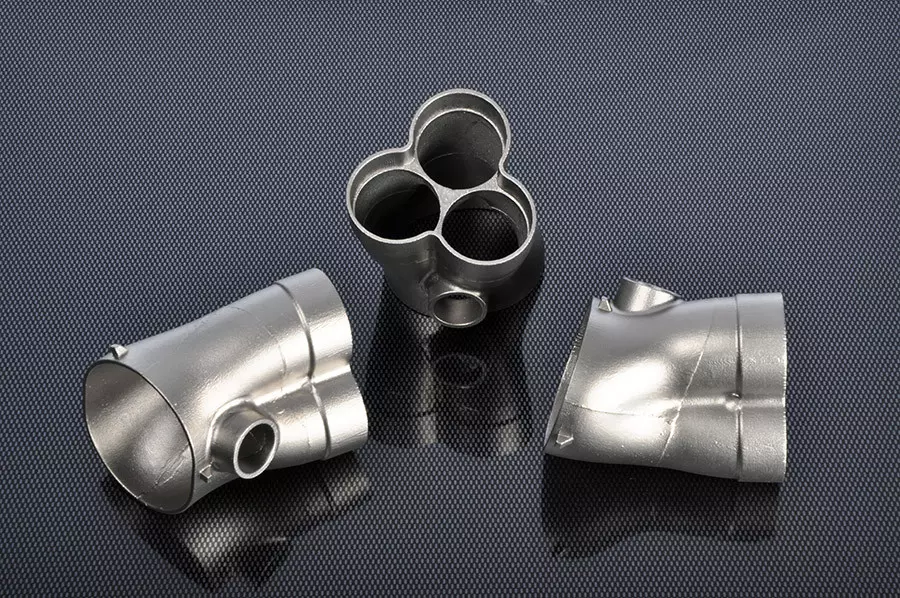
Selective Laser Sintering (SLS) is one of the most frequently used systems for providing strong durable models. This system is generally used for fit/function applications, or where the model will be required to be tested physically. Basic SLS models are manufactured utilising a fine nylon12 powder (Pa). To this core, or base material, additives that enhance or alter the performance characteristics of the material can be added such as Glass Beads (GF 20%),(Aluminium (Alumide), and Carbon Strand (Carbonmide) for instance. Where extra strength and flexibility is required for features such as live hinges for example, Rapitypes offer Duraform EX. Although slightly more expensive this material is specially designed for high flexural strength. The manufacturing process takes place in a controlled atmosphere at 170°C, enabling these models to be extremely useful in high temperature applications, or where good chemical resistance is required.

Rapityes SLS models are despatched within 3-4 days from receipt of good quality STL, IGES, or STEP CAD files.


FDM

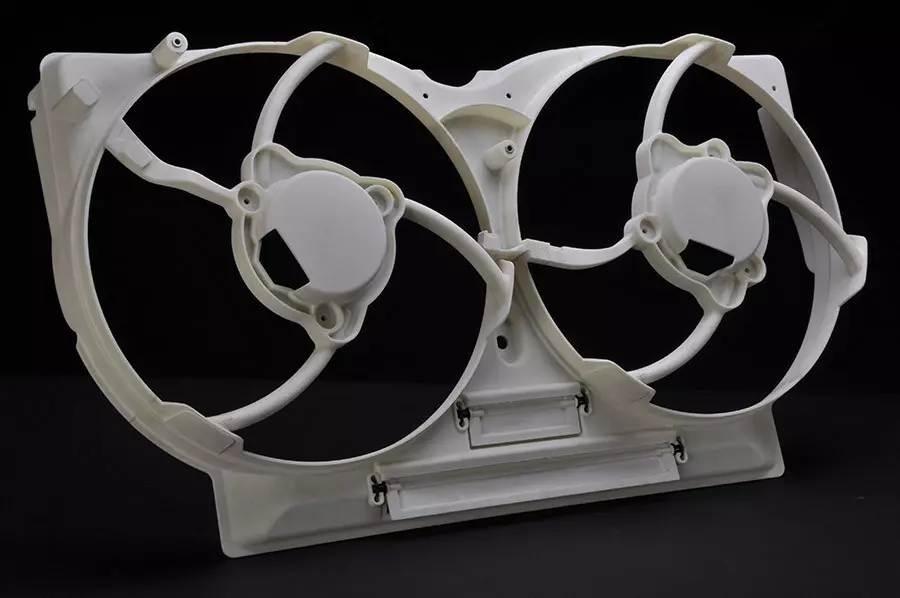
Fused Deposition Modelling (FDM) offers models built in target materials such as ABS, PC ABS and Polycarbonate. The system extrudes molten thermo polymer onto a build platform in layers of 0.1mm. The maximum build area we can offer is 914mm x 610mm x 914mm, and at this scale FDM maintains a general tolerance of +/- 0.02. There are no detrimental effects from contraction or thermal stress as unlike SLS, this is a cool process.

The costs associated with thick-sectioned components can also be minimised with this system through hollowing and internal ribbing  (which retains the integrity of the model but reduces the material volume). The resulting model can be very light as no material is trapped within the features, unlike SLS and SLA, and this also eliminates the need for drainage holes.


Thermojet

The 3D Systems Thermojet wax modelling system is a well established and reliable method of manufacturing accurate-to- CAD wax patterns for use in the investment casting process.

Thermojet wax patterns are generated directly from your CAD model without the need for tooling. Any metal contraction allowance required can simply be added to the CAD model prior to building, automatically increasing the overall size of the finished wax pattern to compensate.

Read more...


Vacuum Casting

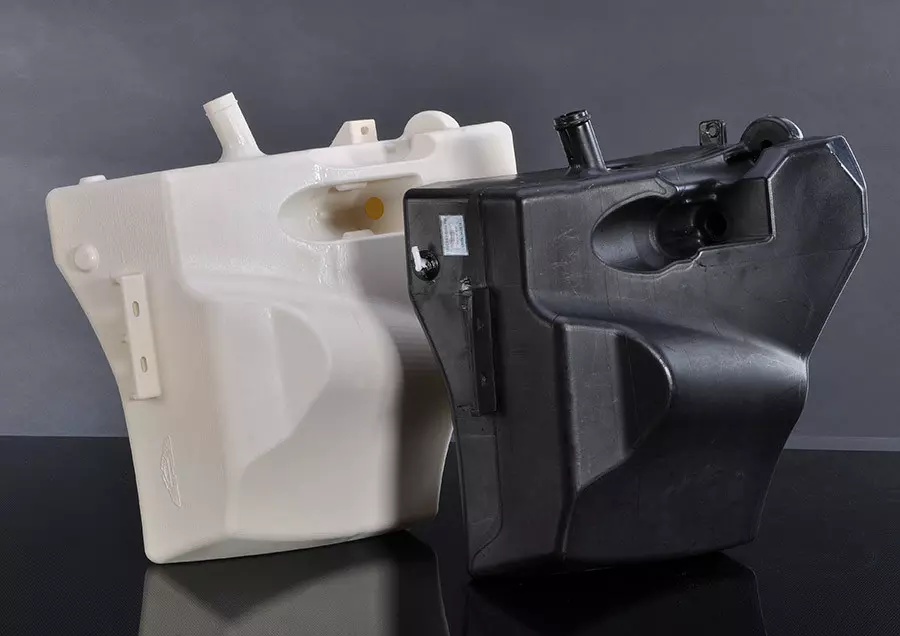
Vacuum casting allows multiple clones or exact reproductions of your component to be produced from a single rapid prototype, pattern or model. This approach delivers economic benefits for small batches of parts, and of course the castings produced can be in the required colour, and carry the desired surface finish (gloss, matt etc) direct from the tool without the need for post finishing operations. Surface condition can be specified by Mold-Tech or VDI reference, and colour by RAL, Pantone, UN, NCS, or by supplying a sample for colour matching

Vacuum casting is the perfect choice to support market research, exhibitions, photography for advertising and packaging, and marketing as it can deliver production injection moulded like components in as little as 8-10 days, and at a fraction of the cost.

The tooling material is a clear silicone rubber which can yield 15-25 components, depending on resin choice and geometry. Rapitypes uses polyurethane resins that replicate all thermoplastic materials like ABS, Nylon, and TPE, whilst high temperature, food safe, VO and UV stable materials are also available for more functional uses.